Blue-winged teal

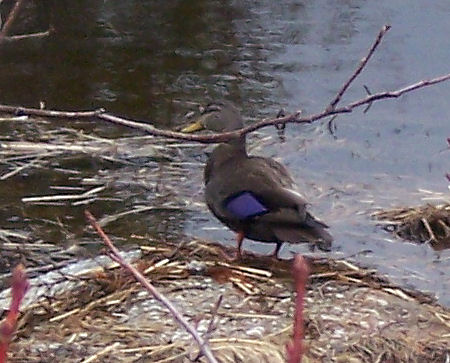
Perched on a rock at high tide, a female blue-winged teal

Another duck in our local collection, alongside American black ducks, mallards and buffleheads. I wouldn’t ordinarily get such a photo, but there was a bush between us and the duck was preoccupied, I suppose. The tide was very high, flooding the marshes. It’s duck country.

If you don’t like the weather in Nova Scotia…

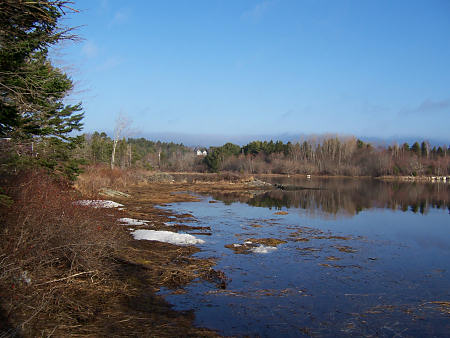
… stick around for 20 minutes. That’s what they say. I got anecdotal proof of it today. Driving into Mahone Bay at about 8:10, I saw this:

8:10 a.m. Gloriously sunny - but see those clouds on the horizon...

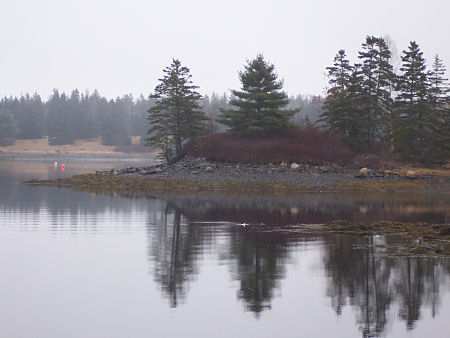
Then about 20 minutes later, this is what I saw in the same spot:

20 minutes later it's cloudy in Mahone Bay.

Case closed.

Sailing from Halifax to Canso in a dinghy!

Rob Dunbar about to leave Shearwater Yacht Club on tiny Celtic Kiss.
Here’s a lovely account of Rob Dunbar’s adventure, in 2006, of sailing solo along the Eastern Shore of Nova Scotia in a sailing dinghy. Took him 8 days. He was going in the right direction; coming the other way you could expect it to be harder with prevailing winds against you. The story is well illustrated and described. I’ve sailed there in a larger keelboat and paddled near Tangier in a canoe, and look forward to going back. Recommended for hardcore sailors, armchair adventurers and sea kayakers!

First time in a canoe this year

We did it because we could. The ice is gone, the tide was high. My son and I dipped the canoe in the ocean and paddled out to a nearby island. He hiked around it and then we paddled back again.
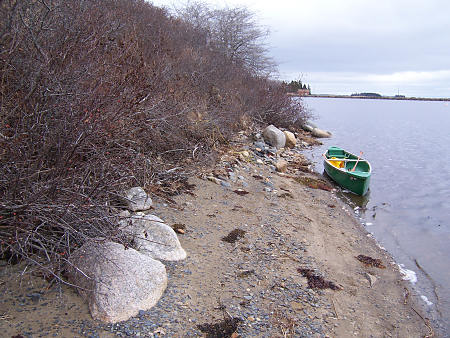
Ashore on a small island near home

Buy Back Nova Scotia

J.D. Irving Ltd. is selling off vast holdings of land in southwestern Nova Scotia that it has been logging. “Professional forestry management” is what they’ve been doing there, and apparently it’s not worthwhile for them to continue.

170,000 acres of JD Irving lands that are up for sale
The lands include whole lakes and lake systems, rivers, watersheds and huge tracts of forest land. It’s near Kejimkujik National Park and the Tobiatic Wilderness Area, where you can canoe and portage from lake to lake, meeting only a few fishermen along the way. It’s another world back there, and it’s all to easy to ignore what’s going on there.

Buy Back Nova Scotia” is a group that aims to save the 170,000 acres of land that’s up for sale and prevent them from falling into private hands and being hidden behind No Trespassing signs. Here’s the map (right) showing the lands concerned.

Below, there’s a Google Map of the area south of Digby and the Bear River Reserve. See the long, straight, engineered logging roads built for the sole purpose of getting the logs out, as well as the clearcuts. Use the + button to zoom in further, and you will get to more detailed aerial photos showing the effects of logging.

On the Buy Back Nova Scotia site you can get more information, sign a petition, and mroe. And here’s the link to the property listing with an American company – aimed, obviously, at foreign buyers.

View Larger Map
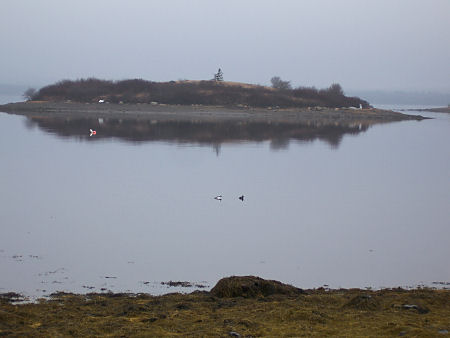
Ice on an April morning

On a cold morning the receding tide leaves a film of ice on the seaweed and rocks along the shore.  Nova Scotia is blessed with natural shorelines like this, a haven for wildlife which is threatened by development.
On a cold morning the receding tide leaves a film of ice on the seaweed and rocks along the shore. Nova Scotia is blessed with natural shorelines like this. It's a haven for wildlife, but threatened by development. More about that in future posts. We feel fortunate to live along an undeveloped coastline.
Ice forms patterns on two species of seaweed.
Chunks of heavier winter ice are heading out to sea, temporarily caught in the overnight freeze, soon to be melted by the warming spring sun.